

Himachal Pradesh: The Pharma Jewel of North India with the Largest Pharma Manufacturing Base
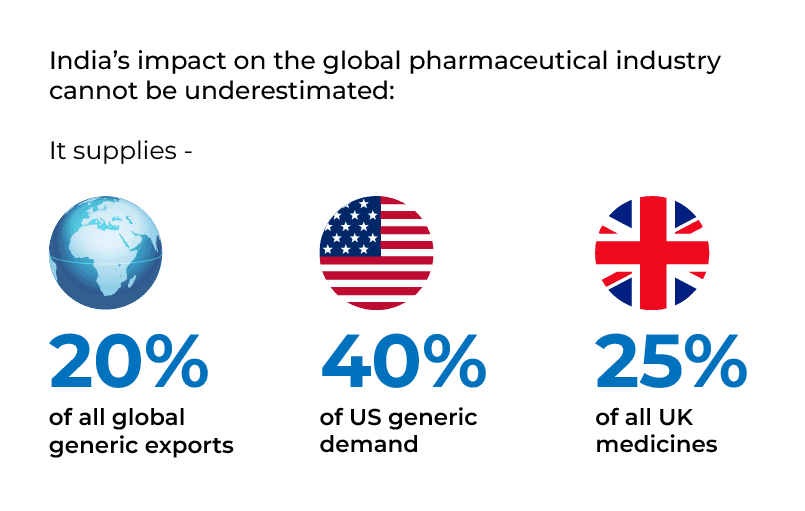
India has become a global force in pharmaceuticals. It delivers 20 percent of the world’s generic supplies, meets 40 percent of the US generic demand, and contributes 25 percent of all medicines used in the UK. Behind this rise sits a network of fast-growing manufacturing hubs, and one of the strongest in North India is Himachal Pradesh.
It has long been a significant contributor to tourism and economic development in India. The state is known for its investor-friendly environment and is emerging as a preferred investment destination in Northern India due to its supportive policies, strong industrial infrastructure, and high Ease of Doing Business ranking. We want to break down why this mountainous state has quietly turned into one of the biggest pharma manufacturing powerhouses in Asia.
Quick Answer: Why Is Himachal Pradesh a Leading Pharma Hub?
If you’re looking for the short version, here it is:
- More than 600 manufacturing units
- The largest number of contract manufacturing facilities in North India
- Competitive power costs and reliable infrastructure
- Strong incentives, tax benefits, and SEZ support
- A skilled workforce and proximity to research institutes
- High Ease of Doing Business and proactive governance
This mix makes Himachal Pradesh one of the most cost-effective and scalable pharma manufacturing destinations in India.
The Rise of Pharma Manufacturing in Himachal Pradesh
The transformation was driven by deliberate policy choices, increasing investor confidence, and the natural advantage of a state known for stability and a strong industrial base.
Himachal Pradesh now hosts 25 contract manufacturing facilities, more than any other northern state. For comparison, Uttarakhand has 10, and Madhya Pradesh has 23. Over the last decade, companies have expanded aggressively in regions like Baddi, Nalagarh, and Paonta Sahib.
Affordable power, strict law enforcement, and a skilled talent pool made the state even more appealing. Add to that the first Medical Devices Park in North India, with 265 acres in Nalagarh, backed by national infrastructure, and the foundation was set for long-term industrial growth.
Market Size and Growth: How Big Is the Pharma Sector in Himachal Pradesh?
Here’s what the market looks like today:
- 600+ pharma units across the state
- 35 percent contribution to India’s total pharmaceutical output
- INR 30,000 crore industry value
- 8–10 percent yearly growth
- Strong domestic and multinational presence
- Baddi is serving as one of India’s most active third-party pharma manufacturing hubs
The growth is steady and fueled by both new investments and the adoption of advanced manufacturing technologies. Companies here work under strict GMP frameworks, which makes the region a trustworthy supplier for global markets.
How Government Incentives Built Himachal’s Pharma Landscape
If you ask why so many companies picked Himachal Pradesh, the answer is simple: the incentives were hard to ignore.
Special Industrial Package, 2003
This was the turning point. It offered:
- 100 percent income tax exemption for the first 5 years
- 30–50 percent income tax exemption for the next 5
- Excise duty exemptions
- Capital investment subsidies
- Faster approvals and environmental clearances
This lowered the risk for pharma manufacturers looking to scale operations quickly.
Special Economic Zones in Baddi and Other Areas
SEZ units received:
- Customs duty exemptions
- Greater labor flexibility
- Faster export logistics
This made Himachal a strong export-ready location.
Industrial Development Scheme, 2018
A renewed push brought:
- Capital investment incentives up to 30 percent
- Interest subvention on working capital for 5 years
- Freight subsidies to counter hill-terrain logistics costs
Why Manufacturers Prefer Baddi, Solan, and Nalagarh
These clusters offer a practical mix of advantages:
- Easy access to raw materials
- Well-connected road networks to major markets
- Nearby R&D institutes like IIT Mandi and IIM Sirmaur
- Dedicated industrial corridors, CETP facilities, and skill development centers
- A trained workforce familiar with pharma manufacturing standards
This combination makes the region ideal for both formulation and contract manufacturing. These policies combined built a stable industrial ecosystem with factories, jobs, ancillary industries, logistics networks, and R&D support.
Himachal Pradesh’s Growing Role in Asia’s Pharma Supply Chain
According to the State Industries Minister, Himachal Pradesh now meets 35 percent of Asia’s current pharmaceutical product demand. That number alone demonstrates the significant growth the region has experienced over the past decade. Despite its terrain, the state built strong industrial zones, reliable utilities, and export-friendly infrastructure. With its expanding capacity and predictable policies, Himachal is well-positioned to remain a major player in Asia’s pharmaceutical supply network for the long term.
Himachal Pradesh has turned its mix of policy support, industrial discipline, and competitive costs into a world-class pharmaceutical manufacturing engine. With expanding infrastructure and rising export readiness, its role in India’s growth story is only going to get stronger.
The concentration of manufacturing expertise and government support positions the state as a launchpad for global pharmaceutical exports and innovation. Rialtes Technologies helps manufacturers upgrade operations through AI-driven systems, automated workflows, and connected platforms designed for regulated environments. If you want to modernize your manufacturing ecosystem, reach out at sales@rialtes.com.
FAQs: Himachal, A Mountain State with a Global Impact
Latest Blogs